Address
Ferdiša Kostku 1886/5
Malacky 901 01 Slovakia
Work Hours
Monday to Friday:
9:00 – 18:00
Address
Ferdiša Kostku 1886/5
Malacky 901 01 Slovakia
Work Hours
Monday to Friday:
9:00 – 18:00
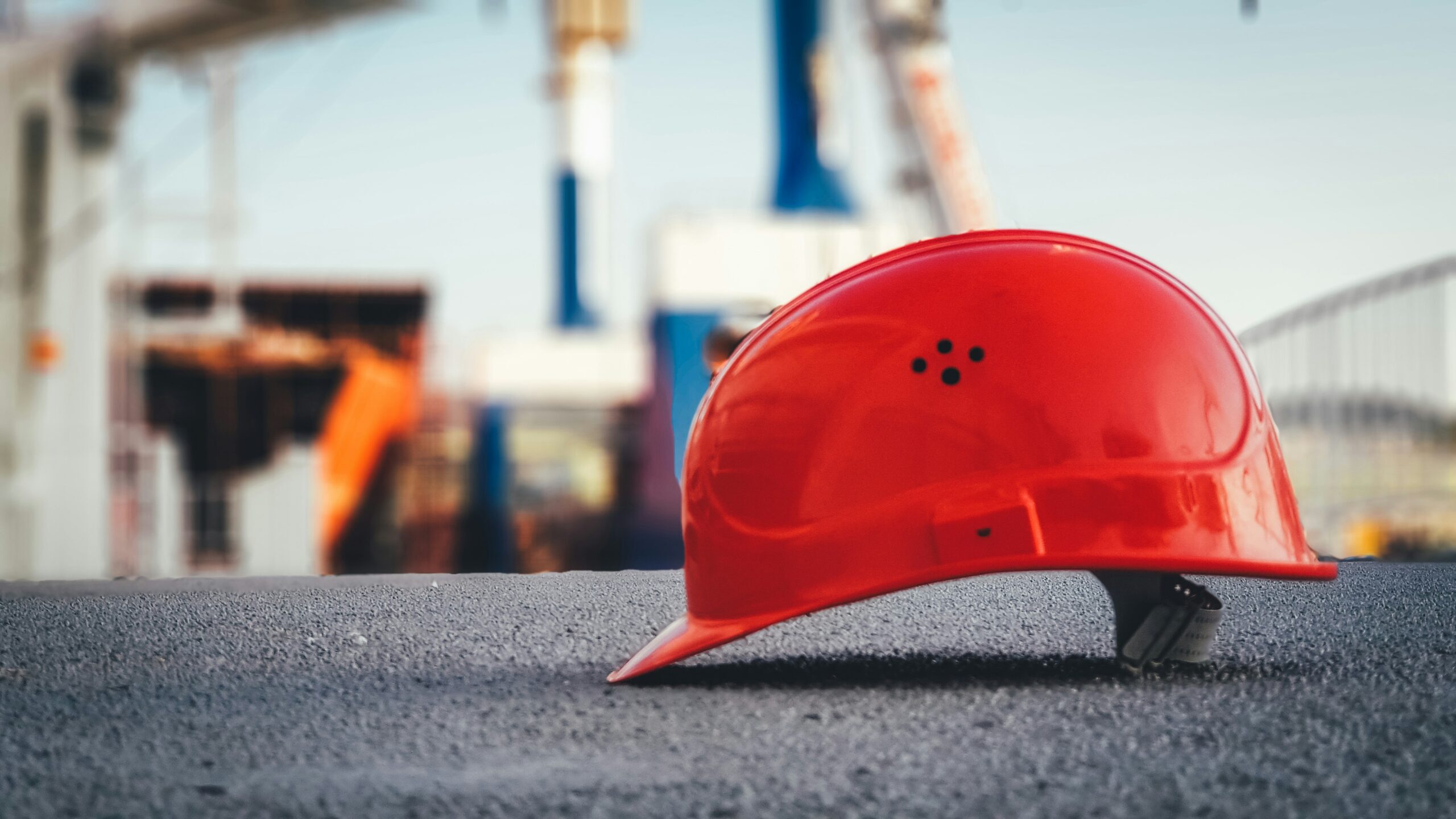
Any foreign company operating in Italy is required to comply with Italian occupational health and safety regulations. The main legal framework governing workplace safety is the Italian Safety Act, Legislative Decree 81/2008 (D.Lgs. 81/2008).
Failure to comply with these obligations may lead to financial penalties, criminal liability and even suspension of business activities.
All work carried out on Italian territory is subject to Italian safety legislation, regardless of where the employer is established.
This means that foreign companies must follow Italian workplace safety standards whenever their employees perform work in Italy.
Companies operating in Italy must ensure that the following safety measures are implemented:
A Risk Assessment Document (Documento di Valutazione dei Rischi – DVR) must be prepared and adapted to the specific activities performed in Italy.
This document identifies workplace hazards and outlines the measures adopted to prevent or reduce risks.
Workers must receive appropriate safety training that is understandable to them and aligned with Italian safety standards.
Training should cover workplace risks, safety procedures and the proper use of protective equipment.
When operating on construction sites or within larger projects, companies must cooperate with the client and other contractors involved in the work.
Coordination between companies is required to ensure overall site safety and compliance with Italian regulations.
Italian safety legislation requires specific responsibilities to be assigned, including:
Failure to comply with workplace safety obligations may result in:
Workplace safety compliance is a critical requirement for any foreign company operating in Italy. Proper preparation and understanding of Italian regulations help prevent legal risks and ensure safe working conditions.
If your company operates in Italy, we can assist you in ensuring full compliance with Italian workplace safety regulations and BOZP requirements.
👉 Contact us for a consultation.